Table Of Content

Symptoms of folliculitis decalvans can differ by individual. There’s not strong evidence that vitamins and minerals are a good way to treat your HS. But if you have Hurley stage I or II, some people think extra zinc may help.
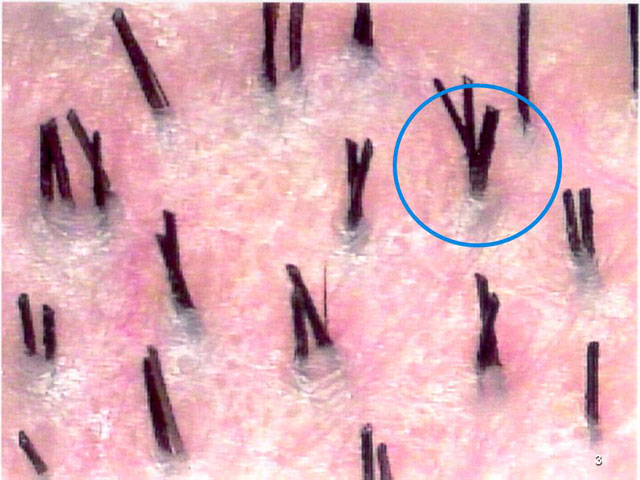
What Does Folliculitis Decalvans Look Like?
Sebum Plugs: Causes, Treatments, and More - Healthline
Sebum Plugs: Causes, Treatments, and More.
Posted: Wed, 16 Jan 2019 08:00:00 GMT [source]
At first glance, keratin plugs may look like small pimples. They also tend to form in groups on specific parts of the body. If you’re looking to get rid of stubborn keratin plugs, talk to your dermatologist about the following treatment options. You may be more likely to get ingrown hairs if you have coarse or curly hair. It’s not a good idea to pop or squeeze an ingrown hair cyst, as you can introduce bacteria that can cause an infection.
What Causes Folliculitis Decalvans?
It is also advisable to avoid using excessive styling products and to choose non-comedogenic or water-based products that are less likely to clog the pores. Another common cause of clogged hair follicles is the buildup of styling products. Using too much hairspray, gel, or other hair products can create a sticky residue that can accumulate in the hair follicles over time. This can prevent proper airflow and nutrient delivery to the hair follicles, leading to clogged pores. It is common to experience sebum buildup on the scalp.

What is folliculitis decalvans?
One small study found that more than 80% of people with Hurley stages I and II had no new lesions nearly 3 years after this kind of procedure. This is a quick way to ease really bad pain from an abscess. But it’s not a good way to manage your condition in the long run. This is the only biologic approved by the FDA to treat moderate to severe HS.

Predictably, the enlarged sebaceous gland will produce more sebum. This can harden and result in blocked pores and hair follicles. Your dermatologist can also help you determine that your bumps are indeed due to keratosis pilaris. With all the possible causes of clogged pores, it can be helpful to get a professional opinion before proceeding with treatment. Ingrown hairs cause bumps, which are often itchy, where a hair has grown back into the skin. There are things you can do to treat and prevent them and in most cases you will not need to a see a GP for treatment.
In severe cases of clogged hair follicles, it may be necessary to seek professional help. To prevent and treat clogged hair follicles, it is important to maintain good hair hygiene. Regularly washing and cleansing the scalp and hair with a gentle shampoo can help remove dirt, excess oil, and styling product buildup.
Treat Wounds
See your provider if bumps on your skin are painful, bleeding or very itchy. These could be signs of infection or another skin condition like skin cancer. Never pick at, squeeze or try to “pop” a keratin plug. But sometimes the bumps can itch, especially if your skin is dry. They can also get irritated and turn red, a condition called frictional lichenoid dermatitis.
Topical treatments are applied directly to your skin to ensure that the medication is administered where it is needed. These products may be appropriate when you want to avoid the side effects of systemic medications or boost the results of oral therapy. They can also help treat anxiety or depression, which are really common if you have HS. If you feel pain, or if you're starting to feel depressed, talk with your doctor to see if they should be part of your treatment plan.
What are the types of folliculitis?
This is especially true if you have an underlying scalp condition, such as dandruff or seborrheic dermatitis. Allow the coconut oil to sit for 30 minutes, and then use a dropper to apply small amounts of the salicylic acid to trouble areas of your scalp. Apply the coconut oil to your scalp, ensuring it is spread thoroughly.
They treat other inflammatory conditions such as rheumatoid arthritis or psoriasis. They can also help with inflammatory bowel diseases like Crohn’s disease or ulcerative colitis. Your doctor might want you to take antibiotics by mouth. It's not because you have an infection, though HS can sometimes cause a secondary infection. Once your doctor figures out your Hurley stage and which treatment options are best, they'll go over the pros and cons of each. Don’t give up if the first treatment they give you doesn’t work.
People with other skin conditions are more likely to get them. If your cysts are hereditary, you may need ongoing treatments as they recur. If home remedies aren’t helping and the cyst does not appear to be healing, see a doctor. They can prescribe antibiotics to clear up the infection and/or determine if the cyst needs to be surgically removed. When it comes to razor bumps, the cause is usually improper hair removal techniques. Every pore on your skin contains a hair follicle, some fine and some coarse.
At the base of your follicle is your hair bulb, which is surrounded by nerve fibers. These nerves allow you to sense when your hair is moving or being touched. This is good to know if you worry about pulling a hair out at your follicle. Hair will usually grow back unless it comes from a follicle that has stopped producing hair. But if you’ve ever pulled out a hair and found what you think is your follicle at the end, you may be wondering if it’ll ever grow back. “If you are shaving your head, use a new, clean razor each time,” LoGerfo says.
These bumps are harmless, don’t require treatment and usually go away on their own. Some prescription medications can help prevent ingrown hairs. Retinoid creams are effective in removing dead skin cells that may contribute to ingrown hairs.