Table Of Content

This will protect your scalp from over-drying caused by salicylic acid. If you would rather not make your own shampoo, then you will want to ensure you choose a shampoo with high-quality ingredients. You should consider shampoos containing ingredients like tea tree oil, apple cider vinegar, and rosemary. The peppermint oil removes plaque, increases blood flow, and soothes the scalp. An alternative to store-bought shampoos is to make your own shampoo.

Folliculitis Diagnosis
Do Pore Strips Really Work? Here's What Dermatologists Say - Allure
Do Pore Strips Really Work? Here's What Dermatologists Say.
Posted: Thu, 21 Jun 2018 07:00:00 GMT [source]
Sebum plugs usually develop on the face, including the forehead, chin and nose. They look more like pimples and have a “head.” In fact, sebum plugs appear before zits and can turn into pimples. They often develop in clusters or groups and feel rough (like sandpaper) when you touch them. Some people call the clusters of bumps “chicken skin” due to their raised appearance. Keratin plugs may be inherited (passed down through families).
Watch Dr. Pimple Popper Pluck 'Kiwi Hairs' Out of a Patient's Pores - Men's Health
Watch Dr. Pimple Popper Pluck 'Kiwi Hairs' Out of a Patient's Pores.
Posted: Tue, 12 May 2020 07:00:00 GMT [source]
What is folliculitis?
Depending on the type of folliculitis you have, your doctor may recommend a treatment plan to help alleviate symptoms. If you have chronic ingrown hair problems, it might be best to avoid shaving altogether. Instead, consider permanent ways to remove hair, like laser treatments or electrolysis. Although quite not permanent, depilatory methods, which include liquid or cream treatments like Nair, can produce long-lasting results as well. Preventing ingrown hairs can decrease your risk of related infections. Typically, new hair grows straight out of the follicles in the skin.
Self-Care for Folliculitis
To reduce your risk, keep your skin from getting too dry. This is especially important when the air is cold, like during the winter or in air conditioning. People who get a lot of keratin plugs may have a condition called keratosis pilaris.
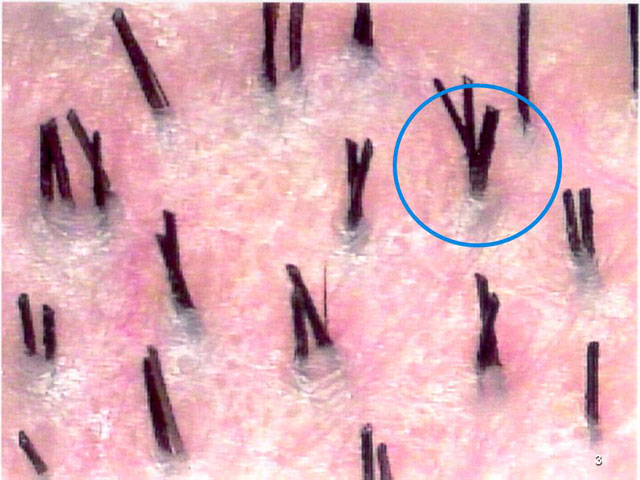
Unfortunately, hair loss from folliculitis decalvans is permanent. If you notice symptoms, seeking treatment right away may help you minimize hair loss. Systemic antibiotics are regarded as the first-line treatment for folliculitis decalvans because they can eradicate Staphylococcus aureus. Though these treatments can be effective, symptoms often relapse after the interruption of therapy.
Healthcare providers aren’t sure exactly what causes keratin plugs. They form when keratin clumps together in the hair follicles, forming a plug. Providers believe the bumps form when the skin gets irritated.
Keratin Plugs
Folliculitis that’s due to an infection sometimes clears up, then returns. Folliculitis that’s caused by staph can start to grow inside your body. While this is uncommon, it can be deadly if not treated right away. You can get this condition anywhere you have hair, but it’s most likely to show up on your neck, thighs, buttocks, or armpits.
A board-certified dermatologist can tell you whether you have folliculitis and give you tips to help clear it. Some people need medication, such as an antibiotic, to clear the folliculitis. If the cyst looks infected or didn't go away after you tried at-home treatment, see a healthcare provider. They can give you antibiotics and other treatments to keep the infection from spreading and prevent scarring. If an infection develops and worsens, you may need medical treatment.
What is folliculitis decalvans?
For instance, if you have a beard that you often trim, you’re more prone to having inflamed skin on your chin and cheeks. It is important to maintain good hygiene practices to prevent the spread of folliculitis. This includes washing your hands regularly, avoiding sharing personal items such as towels and razors, and keeping your skin clean and dry. If you experience symptoms of folliculitis, consult a dermatologist for proper diagnosis and treatment.
This condition causes clusters of keratin plugs to develop. But if you don’t like how they look, they won’t go away or you have a lot of them, talk to your provider. If the pubic cyst is caused by ingrown hair, it may go away on its own, or your doctor can remove it. In cases of razor bumps, the primary goal of treatment is to reduce the surrounding inflammation and decrease your risk of infection. Treatments can reduce symptoms and slow the damage to hair follicles. The nature and chronic course of this problem can also have a negative impact on those who have it.
Hair follicles are part of your skin that are responsible for growing your hair. That root grows back and your hair will grow back, too. If you notice you’re not growing hair in an area that you used to grow hair, talk to your healthcare provider.
Washing with warm water and antibacterial soap is often enough to clean and help heal the area. You can also try a saltwater solution, or vinegar mixed with water. Over-the-counter antibiotic creams often work as well.
Pores are the small holes in our skin that allow sweat and oil to reach the surface of the glands underneath. No, you can’t catch folliculitis decalvans from someone else. The condition sometimes affects members of the same family, but experts aren’t sure why. Several strands of hair grow from the same follicle, like bristles on a toothbrush. For this reason, the condition is also called tufted folliculitis. When the follicle dies, the tufts of hair fall out, leaving a scar and bald spot.




No comments:
Post a Comment